Restoring a King Kooker Propane Cooker: Parts, Cost, and Lessons
If you are wondering whether an old King Kooker propane cooker is worth restoring, this is my real answer after doing one myself. Mine was headed for the trash, sat around for years, then finally got torn down and brought back to life.
A friend gave me this propane cooker and I kept saying I would fix it “soon.” Three years later, I finally did.
If your old propane cooker still has a solid frame, restoring it can make more sense than throwing it out, especially if it only needs fuel-system parts.
Quick Answer
- Yes, an old King Kooker can be restored if the frame is still solid.
- Main cost for me was replacement manifold and fuel hose, a little over $60 shipped.
- If burners are also dead, cost can get close to just buying a new cooker.
- Still worth it for me because I wanted the project and the cooker back in service.
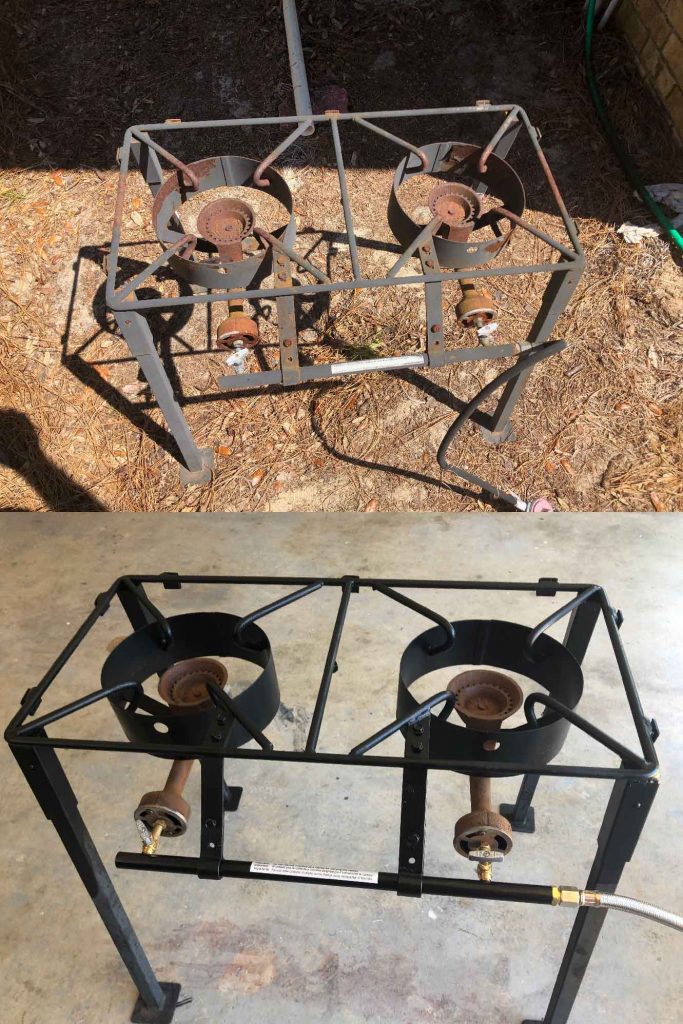
What I Started With
Rough condition, neglected, and not something I wanted to stare at in the garage anymore. But it was not rusted out beyond saving, so restoration made sense.
Parts and Cost
I had to track down the real brand owner first: Metal Fusion. Would have gone faster if I had looked at the burner stamping from day one. I replaced the manifold and fuel hose, which ran a bit over $60 shipped from the manufacturer.
That is about half the cost of a new unit. If this one needed multiple burner replacements too, I probably would have skipped the restore and bought new.
Restoration Process
- Find the actual brand markings and model details stamped on the cooker so you can order the right parts.
- Replace fuel-side components first (manifold and hose in my case) before worrying about cosmetics.
- Clean and reassemble the frame, then check every connection for fit and leaks before lighting.
- Do a controlled burn test with cookware to confirm stable heat output before normal use.
If you like this kind of bring-it-back-to-life work, check out my Toro PVB repair and this weird but fun fiber optic concrete sidewalk project.
Why I Bothered
Hell, the reason I did all this is blackened redfish. In the south every restaurant has blackened fish on the menu, but a lot of it is weak. Done right, it is butter + heavy seasoning + screaming-hot cast iron for about 45 seconds. You need heat for that, and now I have it again.
What Went Wrong / Lessons Learned
- I wasted time because I did not check stamped manufacturer info first.
- Parts cost can surprise you on “cheap” restoration projects.
- You have to decide early if you are restoring for money savings or because you want to save the equipment.
For me this one was half practical, half “I am not throwing this thing away yet.”
FAQ
Can an old propane cooker actually be restored?
Yes, if the frame and main body are still decent. Fuel parts are usually the first thing you will replace.
How do you know if a propane cooker is worth restoring?
Check frame condition, burner condition, and replacement-part cost first. If the frame is solid and fuel parts are affordable, restoration usually makes sense. If the core metal is shot, skip it.
What parts did this King Kooker need?
Mainly manifold and fuel hose. If burners had also been bad, this project would have been way less attractive financially.
Was it worth saving?
For me, yes. It was not the absolute cheapest path, but I got a functional cooker back and avoided junking usable hardware.
What related outdoor posts should I read next?
For more outdoor fix/build stuff, read Cheap DIY Solar Pool Heater, the black-hose solar heater build, and the Toro 53300 PVB repair.